Field Gardening Fundamentals: Scaling Up Without Losing Control
Field gardening brings its own set of rewards and challenges, and it is a natural next step for anyone who has outgrown a small plot. Working on a larger scale means more space, more variety, and more harvest — but also more demand on your time, water, and organization. The gardeners who succeed in field gardening are rarely the ones who work hardest; they are the ones who plan most carefully. Understanding the fundamentals before you expand will help you avoid the common trap of taking on more than you can maintain.
Preparation begins with the soil. Larger areas require more thorough assessment: drainage, texture, pH, and nutrient levels all matter more when you cannot easily adjust individual beds. Consider how you will prepare the ground — whether by hand, with walk-behind equipment, or with help — and plan the work in manageable stages rather than attempting everything at once. Site planning at this scale includes access: where vehicles or wheelbarrows will enter, where materials will be stored, and how you will move between sections without compacting soil or trampling crops.
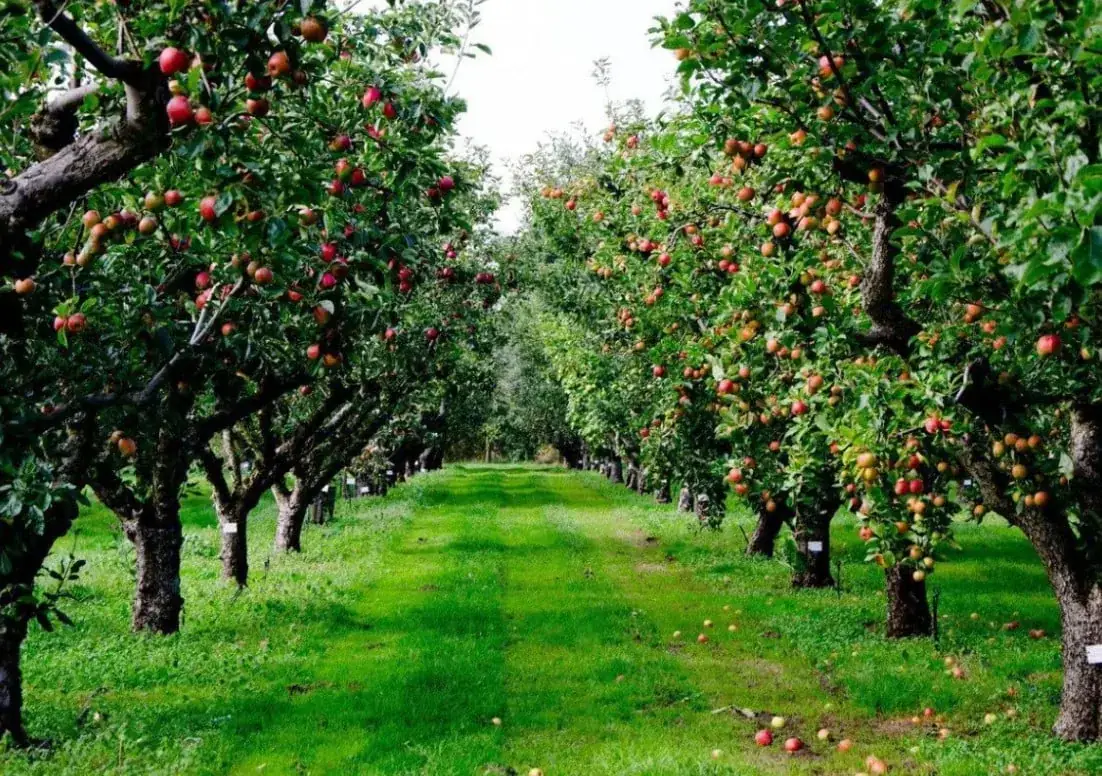
Organization is the heart of successful field gardening. Divide the area into clear sections, whether by crop type, maintenance rhythm, or rotation group, and mark paths so that you always know where to walk and where to work. Plan crop rotation to maintain soil health and reduce pest and disease pressure. Decide in advance where a fruit and berry garden section will sit, since trees and shrubs are permanent and should not be moved once established. Good site planning in the field means thinking in years rather than weeks, and designing a layout that remains workable as the garden matures.
Water management becomes a major consideration at larger scales. Hand watering is rarely practical across a wide area, so plan irrigation early and test it before the hottest part of the season. Mulching reduces evaporation and suppresses weeds, saving both water and labor. When transplanting young seedlings into open ground, ensure they receive consistent moisture during their first weeks, since field conditions are less forgiving than a sheltered bed. This is where site planning meets daily practice: a well-designed irrigation layout makes the difference between a thriving field gardening plot and a struggling one.
Transplanting young seedlings into the field requires attention to timing and protection. Field conditions bring wind, temperature swings, and pests that a small garden rarely faces, so harden off plants thoroughly and choose calm, mild days for planting. Row covers, windbreaks, and mulch can shield new transplants while they establish. Keep records of planting dates and outcomes so that each season informs the next. Even experienced growers lose plants, but those who record and learn improve steadily — and this habit of observation is the true foundation of field gardening.
Larger plots in Japan are often squeezed between paddies, slopes and neighbouring property lines, so access matters more than it looks. Leave a path wide enough for a light cart or wheelbarrow, find out where irrigation water or a shared ditch may be used, and ask your municipality about local rules on burning cut branches before you plan a brush pile. Those answers belong to your town office, not to a blog, so ask early.
Finally, pace yourself. Field gardening is a marathon, not a sprint, and the most common mistake is expanding faster than you can care for. Start with a portion of your available space, master its rhythms, and grow into the rest over several years. Maintain a fruit and berry garden section alongside your annual crops if you wish, but plan its place carefully within the overall layout. Whether you are planting a garden on a modest scale or managing a wide field, the principles remain the same: prepare thoroughly, organize clearly, and observe closely. With disciplined site planning and steady effort, field gardening becomes not overwhelming but deeply satisfying.
More guides: Site planning basics · Raising young seedlings · Fruit and berry garden design. Back to the blog overview.
Contact Nova Field Grove
1-28-15 Miyukicho, Aoi-ku, Shizuoka, Shizuoka 420-0857, Japan