Designing a Fruit and Berry Garden for Every Season
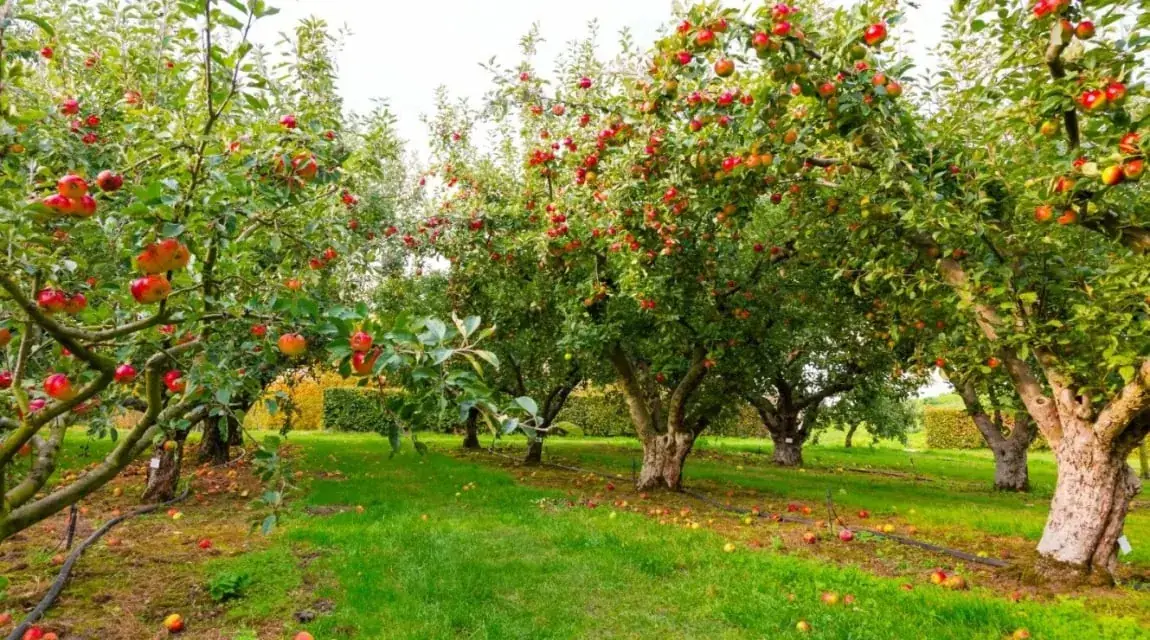
A fruit and berry garden should offer beauty and harvest across the whole year, not just in one brief window. The most satisfying gardens are designed so that something is always growing, flowering, or ripening — from early spring blossoms to late autumn fruit and the quiet structure of winter branches. Achieving this requires thinking beyond a single favorite species and instead composing a planting that unfolds over the calendar. With thoughtful site planning and a little knowledge of bloom and harvest timing, even a modest fruit and berry garden can reward you in every season.
Begin by listing the species suited to your climate and the harvest windows they offer. Early bloomers, mid-season varieties, and late ripening types can be combined so that flowers and fruit follow one another rather than competing. Consider pollination partners, since many fruit trees and shrubs produce better with a compatible companion nearby. Think about height and spread at maturity, not just at planting, and arrange taller trees where they will not shade smaller plants that need light. This kind of site planning prevents the common mistake of an overcrowded fruit and berry garden that must be heavily pruned or thinned later.
Spacing and layout deserve careful thought. Leave generous room between trees and shrubs so that air circulates freely, reducing disease pressure and making maintenance easier. Plan pathways wide enough for a wheelbarrow and for comfortable harvesting, and group plants by their watering and feeding needs. In a fruit and berry garden, it also helps to separate areas by maintenance rhythm — for example, keeping pruned trees together and lower-maintenance berries in their own section. Good site planning turns a collection of plants into a coherent garden that is pleasant to work in and easy to care for.
Integrating young seedlings into an established fruit and berry garden requires patience and timing. New plants should not compete directly with mature roots for water and nutrients, so choose positions where they have room to establish. Protect young seedlings from wind and strong sun, and keep them well watered through their first season. If you are expanding gradually — which is often the wisest approach — add a few plants each year rather than filling every space at once. This measured approach, guided by site planning, lets you learn how each species performs before committing more of your garden to it.
Seasonal care keeps a fruit and berry garden productive over the long term. Pruning schedules, mulching, feeding, and pest monitoring should be planned to match the rhythm of the plants rather than squeezed in randomly. Winter is the time for structural pruning and planning; spring for planting and protecting blossoms; summer for watering and harvest; autumn for cleanup and soil care. Writing these tasks into a simple calendar makes the work manageable and prevents neglect during busy periods. The same discipline applies in field gardening, where larger areas make seasonal organization even more valuable.
Finally, remember that a fruit and berry garden is a long-term project. Trees and shrubs take years to mature, and the garden will change as they grow. Revisit your design each season, note what thrived and what struggled, and adjust gradually. Whether you are planting a garden for the first time or refining an established plot, the goal is a garden that gives pleasure in every month, not only at harvest. With careful site planning, a diverse fruit and berry garden becomes a living landscape that rewards patience year after year.
A Japanese fruit garden has its own familiar cast: persimmon, Japanese plum (ume), yuzu and other citrus in milder regions, blueberries, figs and grapes. Citrus and fig are the ones to place with winter cold in mind, while ume and persimmon bloom and fruit on their own schedules; ume flowers in late winter, which is a good reason to plant it where you can see it from the house. Check which varieties suit your area before you plan around them, because a local nursery will usually know which ones have done well nearby.
More guides: Site planning basics · Raising young seedlings · Field gardening fundamentals. Back to the blog overview.
Contact Nova Field Grove
1-28-15 Miyukicho, Aoi-ku, Shizuoka, Shizuoka 420-0857, Japan